Volunteer with EduAction: Make a Difference

Case Study 1: Breaking Cycles of Poverty and Risk Through Sports & Emotional Intelligence
A 15‑year‑old boy from a low‑income family in rural Punjab lived in a multi‑generational household where four generations shared the same small home. His parents and grandparents had limited formal education, and expectations for him were low. The community faced high exposure to drugs, unemployment, and limited opportunities for young people.
Challenge
He was becoming increasingly disengaged from school, influenced by peers involved in substance misuse, and struggling with confidence and emotional regulation. His family, though loving, lacked the educational background or resources to support him. With no structured activities available, he was at real risk of following the same generational patterns.
Intervention
Through EduAction’s partnership with Youth Football Club (YFC), he joined a structured sports and mentoring programme that provided:
- Daily coaching and routine
- Emotional‑intelligence based guidance
- Positive male role models
- A safe space away from community pressures
- Support with discipline, teamwork, and self‑belief
Outcome
Within six months:
- His attendance at training reached 95%
- School attendance improved
- He developed leadership skills and began supporting younger players
- His emotional regulation and confidence grew
- He was selected for district‑level competitions
Impact
This young person moved from high‑risk to high‑potential. His family reported improved behaviour and pride in his achievements. He is now a role model for younger boys in the village, demonstrating that cycles of poverty and limited education can be broken through relational, structured, emotionally intelligent youth programmes.
Volunteer with EduAction: Make a Difference

Case Study 2: Supporting a SEND Child in a Community With Limited Education and Resources
A 9‑year‑old girl with complex SEND needs lived in a low‑income, multi‑generational household where no one had completed secondary education. Her parents struggled to understand her needs and had no access to specialist services. Cultural expectations meant girls were often kept at home, expected to help with housework, and prepared for early marriage rather than education.
Challenge
She had:
- No access to therapy
- Limited communication skills
- High anxiety in social settings
- Frequent emotional dysregulation
- Parents who felt ashamed and overwhelmed due to lack of awareness and community stigma
Intervention
EduAction’s SEND Medical Centre provided:
- Free assessments and therapeutic sessions
- Parent coaching to build understanding and confidence
- Sensory friendly activities
- A trauma informed, relational approach
- Volunteers who supported structured play and communication tools
Outcome
Over four months:
- Her communication improved
- She began participating in group activities
- Her anxiety reduced
- Parents reported fewer meltdowns and more predictable routines
- Her mother expressed hope that her daughter could now have a future beyond domestic expectations
Impact
This case shows how accessible SEND support can transform not only a child’s development but also a family’s mindset, challenging generational patterns of limited education and restricted opportunities for girls.
Volunteer with EduAction: Make a Difference

Case Study 3: Empowering a Family Facing Poverty, Ill‑Health, and Generational Barriers
A family living in deep poverty, sharing a small home with multiple generations, struggled with untreated health issues and the impact of addiction. The parents had minimal education, and the children were at risk of repeating the same cycle. The daughters were expected to stay home, help with housework, and prepare for early marriage, limiting their access to education and independence.
Challenge
The family faced:
- No access to affordable healthcare
- High stress and instability
- Children missing school
- Girls being kept at home due to cultural expectations
- Emotional distress and lack of support networks
Intervention
EduAction’s free community medical centre provided:
- Health assessments and treatment
- Medication and ongoing monitoring
- Wellbeing education
- Emotional support
- Outreach to encourage girls’ participation in community activities
- Volunteers who supported children with structured play and emotional regulationVolunteers who supported structured play and communication tools
Outcome
Within weeks:
- The parent received consistent medical care
- Household stress reduced
- Children re‑engaged with school
- The daughters were allowed to attend community sessions for the first time
- The family accessed ongoing support networks
Impact
This case demonstrates how holistic, community‑based health and wellbeing support can stabilise vulnerable families, improve children’s outcomes, and challenge restrictive gender norms. The daughters’ participation marked a significant shift in a family where generations of women had been confined to domestic roles.
Volunteer with EduAction: Make a Difference

Case Study 4: Creating Opportunity for a Girl Expected to Stay Home
A 14‑year‑old girl from a low‑income village in Punjab lived in a crowded, multi‑generational household where four generations shared the same home. No one in the family had completed secondary education, and the expectation for girls was clear: stay inside, help with housework, and prepare for early marriage. Her world was limited to domestic duties, and she had never been allowed to participate in community activities or learning opportunities outside the home.
Challenge
Despite being bright and curious, she faced:
- Strong cultural restrictions on girls’ mobility
- No access to extracurricular activities
- Limited exposure to education beyond basic schooling
- Low confidence and no sense of personal identity
- A family belief that “girls don’t need education; they need to learn housework”
She expressed a quiet desire to learn and grow, but had no pathway to do so
Intervention
Through EduAction’s volunteering programme, community workers and volunteers engaged with her family to:
- Build trust and explain the benefits of girls’ education
- Offer safe, structured learning sessions close to home
- Provide emotional‑intelligence based activities
- Introduce creative workshops (art, reading circles, wellbeing sessions)
- Create a culturally respectful space where girls could participate without stigma
The approach was relational, patient, and grounded in understanding the family’s fears and generational patterns.
Outcome
Over three months:
- Her parents agreed to let her attend weekly sessions
- She began reading confidently and engaging in group discussions
- Her confidence grew, and she started expressing her own ideas
- She developed friendships for the first time outside her family
- Her mother reported that she was “happier, calmer, and more focused” at home
Most importantly, the family began to see her not just as a future bride, but as a young person with potential.
Impact
This case demonstrates how gentle, relational, culturally aware intervention can shift deeply rooted generational beliefs. A girl who was once confined to domestic expectations now has:
- Access to learning
- A sense of identity
- Emotional confidence
- A future beyond early marriage
Her participation has inspired other families in the village to allow their daughters to join, creating a ripple effect of empowerment.
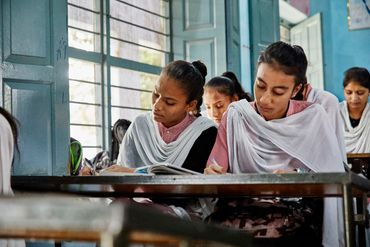
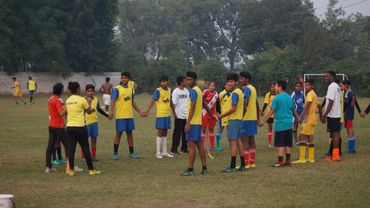
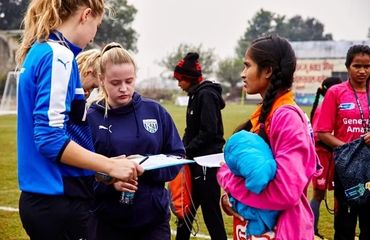
Capturing Memories: Our Volunteer Adventures in Photos









Join EduAction
Welcome!